Barolo: The King of Wines, The Wine of Kings


There are wines that are big and bold, wines that are tannic and dry, and then there is Barolo—majestic, uncompromising, and endlessly complex that fills the nose with lush berry but leaves the palate soft and delicate. Born from the misty hills of the Langhe region in Piedmont, Barolo is a wine that has come to embody both the power of tradition and the artistry of patience. The only wine served at the palace of the Italian monarch, Barolo has, for over a century, worn its crown as “the king of wines, and the wine of kings.” Yet behind the grandeur lies a story of soil, sun, and an extraordinary grape that demands nothing less than reverence.
At the heart of Barolo wine is Nebbiolo, a grape as noble as its reputation. Its name comes from nebbia, the Italian word for fog, that blankets the vineyards in autumn, just as the late-ripening fruit is gathered. Unlike international varietals, Nebbiolo is fiercely tied to its terroir, thriving only in the limestone and clay slopes of eleven designated communes surrounding the village of Barolo itself. These prized parcels face the sun at precise angles, ensuring that the grapes develop their hallmark intensity while preserving a delicate freshness. To stray from these slopes, or to blend even the smallest fraction of another grape, is to lose the right to the name; such wines may only be labeled as Nebbiolo.
Barolo D.O.C.G.

Barolo’s identity is also safeguarded by strict aging laws. By decree, the wine must rest for a minimum of 38 months, including 18 months in oak, and the Riserva bottlings demand an extraordinary 62 months before release. This long evolution is not simply regulation—it is alchemy. In youth, Nebbiolo is bold, tannic, and unyielding. But with time, its austerity softens, unfurling a wine of haunting elegance. The nose is a perfumed tapestry of roses, violets, tar, dried herbs, truffles, and tobacco. On the palate, however, Barolo is never heavy-handed; its power is paradoxically matched by delicacy. The tannins glide rather than grip, the acidity dances, and the finish lingers like a whispered promise. This duality of an intense bouquet married to a refined, almost ethereal structure is what makes Barolo unlike any other wine in the world.
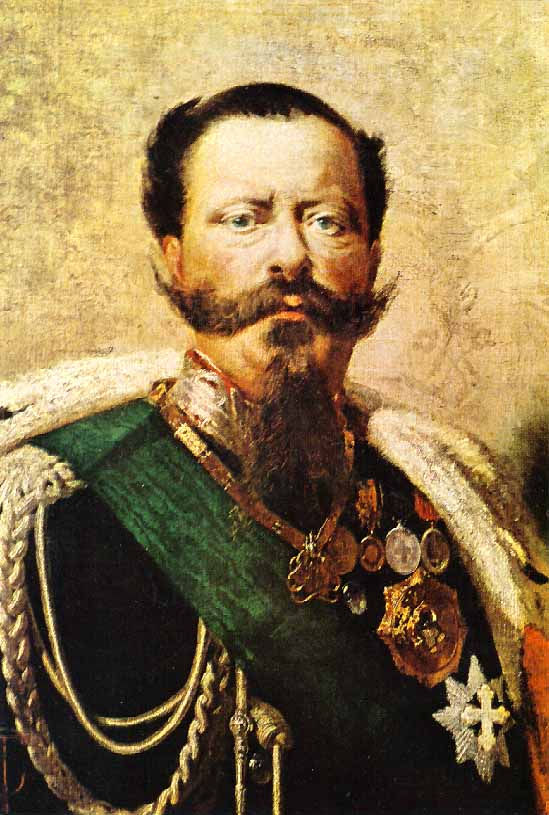
The wine’s legend is inseparable from its history. In the mid-19th century, Marchesa Giulia Falletti of Barolo and statesman Count Camillo Benso di Cavour enlisted the expertise of French oenologist Louis Oudart to refine Piedmont’s rustic reds. Their efforts transformed Nebbiolo into a regal, age-worthy wine that soon captivated King Vittorio Emanuele II of Savoy. The monarch became such a devotee that he ordered casks of Barolo to his royal cellars, sealing its destiny as the drink of courts and connoisseurs alike.
Today, Barolo speaks not only of luxury but also of a philosophy deeply aligned with the Slow Food movement, born just a few kilometers away in Bra. To taste Barolo is to engage with time itself: the patient cultivation of low-yield vines, the respect for seasonal rhythms, and the refusal to rush what nature demands be slow. Many of Barolo’s most celebrated producers are champions of sustainable viticulture, working organically or biodynamically to preserve the fragile balance of the Langhe hills. In this way, Barolo is more than a wine; it is a cultural heritage, a testament to the intimate relationship between land, climate, and craftsmanship.
To pour a glass of Barolo is to pour a piece of Italian history. It is to inhale the fragrance of roses and white truffles carried on cool Piedmont air. It is to taste a wine at once regal and restrained, a wine that insists on patience, reflection, and reverence. And above all, it is to understand why Barolo continues to reign, not only as the king of wines, and the wine of kings, but also as the living embodiment of Italy’s most treasured values: beauty, tradition, and respect for the earth.
Tasting Barolo: A Symphony in the Glass

Barolo is not a wine that reveals itself all at once. Its first impression comes on the nose—a heady perfume of rose petals, violets, dried herbs, and autumn truffle, underpinned by subtle notes of leather, tar, and sweet spice. With age, these aromas deepen into layers of tobacco, licorice, and dried fruit, each swirl of the glass revealing another secret.
On the palate, Barolo is a study in balance. With age, the tannins soften into a silky, almost velvety texture. Its body is powerful, yet never heavy, carried by a vibrant acidity that keeps each sip poised and elegant. The finish is refined, delicate, and yet persistent. To those accostomed to big, bold, tannic wines, Barolo could fall flat, at first. The scent is promising of a mouthful of wow, but when sipped, it's delicacy takes over. It is with some appreciation that the complexity gets appreciated.
What to eat with Barolo

Barolo is the natural companion to Piedmont’s culinary treasures—white truffles, tajarin pasta, braised meats, and aged cheeses. Yet it also shines with simple, slow-cooked dishes where time and care mirror the patience that shapes the wine itself.
Barolo demands contemplation. It is less a drink than an encounter: regal, rare, and unforgettable.
A Collector’s Guide

While Barolo can easily be enjoyed after a decade, the greatest vintages will reward those willing to wait 20 years or more, unfurling into haunting layers of elegance and depth. These bottles will fetch prices starting in triple digits and moving quickly higher. If you would like to collect a few bottles, the best way is to buy young and keep it cellared for at least 15 years. It's a committment!
The youngest bottles brought to market will always be three years old, and these will set you back anywhere from 30 - 70 Euros. When in the region, the local COOP grocery store stocks local wineries and you can find excellent prices on very good Barolo vintages. By visiting the wineries themselves, you also have a great price direct from the producer, and will most likely get your wine with a story.
For the discerning collector, these five estates represent the soul of the Langhe, each a benchmark in tradition, elegance, and longevity.
Marchesi di Barolo – Barolo Tradizionale
Founded in 1807 by Marchesa Giulia Falletti, the “birthplace” of Barolo. A timeless classic, combining history with accessibility.
Recommended bottle: Barolo del Comune di Barolo DOCG
Giacomo Conterno – The Monfortino Legend
Famed for the mythical Monfortino Riserva, a wine built for decades of cellaring and a cornerstone of Barolo tradition.
Recommended bottle: Barolo Riserva Monfortino DOCG
Bartolo Mascarello – The Purist’s Barolo
Maria Teresa Mascarello continues her father Bartolo’s legacy of blending crus, producing soulful, artisanal wines.
Recommended bottle: Barolo DOCG (the estate makes just one, no single-vineyard bottlings)
Giuseppe Rinaldi – The Soul of Tradition
Founded in 1890, Rinaldi is renowned for expressive, long-lived Barolos that embody both perfume and power.
Recommended bottle: Barolo Brunate DOCG
Vietti – The Terroir Pioneer
Among the first to champion single-vineyard crus in the 1960s, Vietti is a modern icon of precision and artistry.
Recommended bottle: Barolo Rocche di Castiglione DOCG


Comments